Working From Home Problems: Why WFH Doesn’t Work for Everyone
When the world shifted to remote work, many of us thought we’d found the perfect solution. No commute, no office politics, and the freedom to work in pajamas. But a few months in, something felt off. Working from home problems often don’t appear immediately, but over time, they affect focus, productivity, and mental well-being.
I’ve personally spoken to many people who thought working from home would be easier, but quietly struggled with focus and comfort. They didn’t want to complain because, on paper, remote work sounds ideal. But the reality is tougher for more people than we talk about.
The truth is, working from home isn’t the dream setup for everyone. For some people, it’s actually harder than going to an office. And honestly, this happens to more people than we admit. If you’re struggling with remote work, you’re not alone—and you’re not doing anything wrong.

The Space Problem: A Common Working From Home Problem
Most homes weren’t designed to be offices. That spare bedroom is often full of old furniture and storage boxes. The dining table becomes a shared space for meals, homework, and conversations—all while you’re trying to focus on work.
In many Indian homes, space is a luxury. Sharing rooms with family members is common, and privacy can be hard to find. When your workspace is also your sleeping, eating, and relaxing space, your brain never gets a clear signal about when it’s time to work.
Some people even take work calls from parked cars because it’s the only quiet place they can find. Others work from the bedroom floor while a child uses the only desk for online classes. These situations aren’t ideal, but they’re very real.
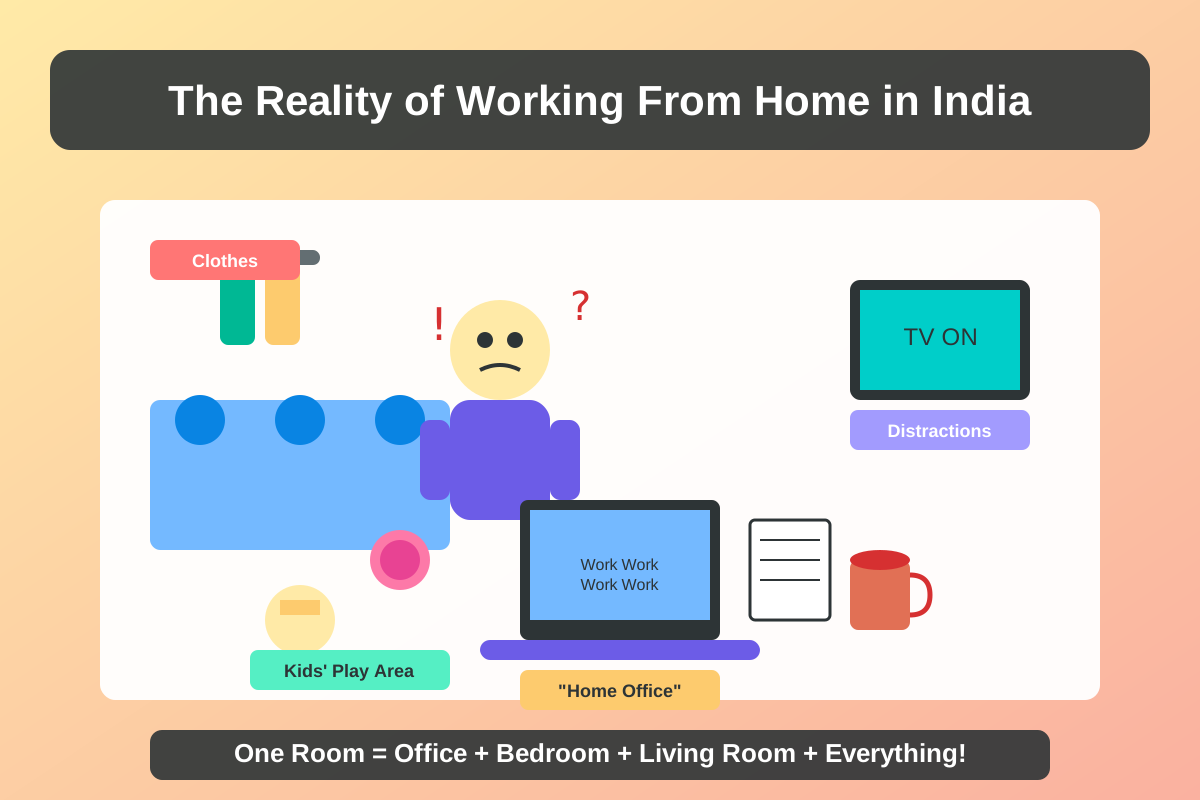
Distractions Are Everywhere
Office distractions are usually predictable—a chatty colleague or an unnecessary meeting. At home, distractions come from every direction.
Doorbells, deliveries, household requests, construction noise, pets needing attention, or daily chores can constantly interrupt your flow. These distractions feel legitimate, which makes them harder to refuse.
Saying no can feel uncomfortable, especially when family members don’t fully understand that “working from home” still means working.
The Loneliness Factor
Humans are social by nature—even those who prefer quiet environments. Working from home can feel isolating in unexpected ways.
There’s no casual conversation near the coffee machine, no shared lunch breaks, and no quick discussions to solve problems. Even the daily commute, frustrating as it was, helped mentally separate work life from personal life.
Video calls don’t replace real interaction. Seeing faces on a screen doesn’t offer the same connection as being physically present. Many remote workers feel disconnected, even if they speak to their teams every day.
Sitting Is the New Problem
In an office, you naturally move around—walking to meetings, stepping out for lunch, or visiting a colleague’s desk. At home, it’s easy to stay seated for hours without realizing it.
Most home seating isn’t designed for long work hours. Dining chairs, beds, or stools don’t support proper posture. Necks lean forward, backs curve incorrectly, and wrists sit at awkward angles.
At first, discomfort feels minor. Over time, it becomes constant stiffness and pain. And because this happens at home, many people accept it as normal—even though it shouldn’t be.
Focus Becomes a Battle
In an office, physical boundaries make it clear when you’re working. At home, those boundaries disappear.
Your mind associates your home with rest, entertainment, and relaxation. Switching into work mode in the same space takes more mental effort than expected.
Add easy access to phones, snacks, and personal items, and staying focused becomes even harder. For people who rely on structure, the absence of a physical work environment can seriously impact productivity.
Why It’s Not Your Fault
If working from home feels difficult, it doesn’t mean you’re lazy or unmotivated.
Different people need different environments to perform well. Some thrive with flexibility, while others need structure, routine, and social interaction. Neither approach is better—it’s about what fits you.
Your personality, living situation, responsibilities, and home setup all influence how well remote work suits you.
What You Can Actually Do About It
Create Physical Boundaries
If a separate room isn’t possible, set up a dedicated work corner. Even using a specific chair only for work helps your brain switch modes. When work ends, physically move away from that space.
Simple rituals—like packing away your laptop or closing a curtain—can help signal the end of the workday.
Communicate Your Schedule
Talk openly with the people you live with about your work hours and focus needs. Clear expectations won’t remove all interruptions, but they can reduce unnecessary ones.
Even small signals, like a “Do Not Disturb” sign, can help.
Move Your Body Regularly
Set reminders to stand up every hour. Stretch, walk around, or step outside briefly if possible.
Movement helps reduce physical discomfort and improves mental clarity.
Improve Your Sitting Setup
You don’t need expensive equipment. A cushion behind your lower back can offer support. Books can raise your screen to eye level. A separate keyboard and mouse can improve wrist position.
Aim for a neutral posture: screen at eye level, feet flat on the floor, and elbows at a comfortable angle.
Find Your Focus Times
Pay attention to when you work best—early mornings, late evenings, or quieter hours.
Schedule demanding tasks during your peak focus time and lighter tasks when your energy is lower.
Build Connection Intentionally
If isolation is an issue, plan social interaction. Schedule informal chats with colleagues, join online communities, or take calls while walking outdoors.
Occasional work from cafés or shared spaces can also help break monotony.
Accept That Some Days Will Be Hard
Even with the best setup, not every day will go smoothly. Internet issues, noise, or fatigue will happen.
Don’t be too hard on yourself. Communicate when needed and remember that tomorrow is another chance.
Conclusion
Working from home affects everyone differently. Struggling doesn’t mean you’re failing—it means your current setup may not be the right fit.
If this feels familiar, you’re not alone. Many people experience the same challenges quietly.
Not everyone can change their situation immediately, but understanding the problem is the first step. Small adjustments can make daily work more comfortable and manageable.
You deserve a work environment that doesn’t leave you drained or disconnected. Whether that means improving your home setup, choosing a hybrid option, or returning to an office someday, the goal is finding what truly works for you.
Be patient with yourself. Recognizing what isn’t working is a sign of awareness, not weakness.